This review roundup is another slightly larger one than average and features a few shorter projects that have sat in my backlog, as well as some recent efforts. In a way, I guess it helps kick off the second half of the year for me for new albums and reviews. Onward!
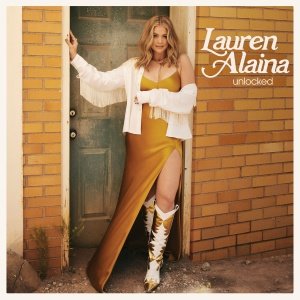
Lauren Alaina, Unlocked
Well, it’s about time. I’ve been in Lauren Alaina’s corner for a while now for having better songwriting and performance chops than many of her mainstream contemporaries. But she was also an unfortunate casualty of poor label promotion and management for far too long, which is why, despite them featuring a lot of acts I don’t care much for, I was excited to see her pivot to Big Loud Records. If nothing else, they know how to react to better potential opportunities than most.
So, with this new EP acting as something of an appetizer for more to come … eh, it’s fine. But it largely feels like an extension of her last project in both its strengths and weaknesses and does feel like a slight disappointment because of that. On the note of the former element, it is encouraging to hear her embrace more neotraditional tones on the album’s more downbeat moments, if only because they naturally flatter her huge and naturally expressive tone. They certainly do more for her than the overproduced pop-leaning cuts here, which feel oily and sour in tone and just overdone as a whole, never outright bad but just far too conventional to stand out better. “A Walk in the Bar” features a pretty strong hook, sure, and I like it otherwise, but its flow feels oddly jerky. And it doesn’t make much sense that it, a song about going to the bar to nurse a heartache, is followed by a track called “Hangovers” that’s all about how drinking doesn’t do much to heal or especially solve her heartbreak.
Not that it’s ever outright bad, mind you, and the highlights do stand among her best. I love the bare-bones intimacy that “Don’t Judge a Woman” provides in letting its hard truths pour out over the way society judges women based off their current situations and partners, despite not really knowing the full story of their lives. And that somewhat gets echoed on “Like Her,” another mostly tempered, reserved cut where Alaina runs into an ex-partner’s new flame and realizes she can’t hate her just because of the circumstances, because the actual person she is isn’t so half bad. And then there’s the Lainey Wilson collaboration in “Thicc as Thieves,” which sports a writing credit from Dallas Davidson, of all people, and really does feel like a shameless attempt at recreating “Honky Tonk Badonkadonk” … complete with an interpolation of Luke Bryan’s “Country Girl (Shake It For Me),” because he’s also a co-writer, apparently. Look, Alaina and Wilson have good chemistry, it’s harmless overall, and it’s destined to go viral; the stink of who else is involved is just a bit too much for me – that’s all. I’m still interested to see where she goes from here – I just wish this EP lived up to its title more.
- Favorite tracks: “Don’t Judge a Woman,” “Like Her,” “A Walk in the Bar”
- Least favorite track: “Hangovers”
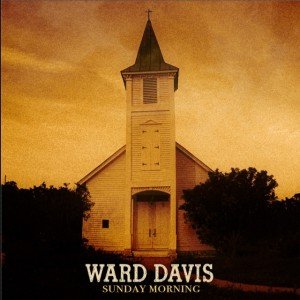
Ward Davis, Sunday Morning
I don’t know why it took me so long to talk about four new songs from Ward Davis, especially when Black Cats and Crows has aged tremendously well as one of my favorite projects of the decade thus far. With this, I’d like to call it a coda to that phenomenal slow-burn project, especially given the similar themes of confronting old demons and putting them to bed. But this really does feel more self-contained and personal – an artistic journey for Davis himself that deals with his alcoholism and subsequent journey to redemption.
And, like with past projects, the mostly reserved presentation style does wonders to highlight his natural warmth as a vocalist and especially the writing. And that, also like before, is starkly confessional, vulnerable, and even-keeled, noting his own mistakes and flaws while finding strength in religion to find the way back to himself. Really, outside of the broader gospel-tinged James Taylor cover in “Lo and Behold” that’s mostly just OK but unnecessary, this short project still cuts deep. “Day One” is a source of pride in noting how far he’s come from that first day of trying to better himself, while also acknowledging how it takes all of his strength to keep the streak going, and that it’s not nearly as easy of a journey as he knows he’s making it out to be.
And even with “Into the River,” while he does lean on faith to climb his way out of the darkness and work on not only mending relationships with others but finding forgiveness for himself, he knows that the work starts with him first and foremost. It does make “Goodbye World” a bit of an oddly dark cut in context, then, a more spacious cut cultivated further by its pedal steel and organ interplay where it seems like that battle is lost and he’d rather give into the final release of death via his own hand … but I don’t know, part of the weathered appeal of his projects is that he keeps going regardless. So I’d like to see it more as just letting go of the worst parts of himself to start anew as someone clean and sober, though it is a staunchly dark closer either way. Even then, as a short project with a specific purpose and mind, this is another slow-burn winner in Davis’ catalog. Great stuff.
- Favorite tracks: “Day One,” “Into the River,” “Goodbye World”
- Least favorite track: “Lo and Behold”

Brennen Leigh, Ain’t Through Honky Tonkin’ Yet
While I have stood a bit on the outside looking in when it comes to loving Brennen Leigh’s most recent output, I do have a lot of respect for what she accomplishes with every record. Over the past few years she’s acted as something of a historian and preservationist of country music history who resurrects the general ambiance of times past with distinctly original material. She’s carried on the time-honored tradition of ensuring old sounds find their way to new audiences, and I think Ain’t Through Honky Tonkin’ Yet just may actually be the album of hers that clicks best with me! This time around she adopts a ‘50s and ‘60s-inspired backdrop for some old-school honky tonk tracks where the fiddle is phenomenally crisp throughout and the grooves often have a lot of well-worn punch to support their upbeat, rollicking flair (a nice change of pace from her last album, I admit).
Sure, it’s still a bit too campy for my liking at points (“Carole With An E”), particularly the backing vocals on certain tracks that echo an unfortunate element of records from that era. And certain moments like “The Red Flags You Were Waving” and “Every Time I Do” feel a little too indebted to their old-fashioned, plainspoken simplicity to land with deeper impact in the actual performances and writing. But through the era evoked itself, this is decidedly seedier territory this time around, and there’s more at stake in the writing and presentation. Leigh has always been a phenomenal performer with a slight theatricality to her delivery that’s always aided her character sketches well, especially in the snapshots here that are lonely and sad, like the drifter via the title track who’s still indebted to the night life but also feels a tinge of jealousy and sadness watching her friends settle down and move on with their lives. There’s also “Mississippi Rendezvous,” a cheating song where by the end of it, she expresses enough regret to wonder how she could do such a thing to begin with, ironically only extending that cycle of loneliness.
Elsewhere, there’s a great cover imported through Tessy Lou Williams’ excellent 2020 album via “Somebody’s Drinking About You” to extend the thematic arc, and the final stretch of material is arguably where the album shines best. I love the jangly, Tom T. Hall-like acoustic groove that drives “Throwing Away a Precious Jewel” in its clever take on a kiss-off track, and the punchy, chugging bar-band rhythm of “I’m Still Looking For You” fits the content well about a traveling musician looking for an explanation from a partner who left her, even though she knows the answer will hurt regardless. And that fiddle melody playing off the acoustic groove driving the closing track, “You Turned Into a Dragon,” is heavenly on its own, but especially in how it ends as it began – lonely, but never quite alone when surrounded by like-minded characters wasting away in a honky tonk somewhere. For me, this is consistently enjoyable listen throughout, and a great one, at that.
- Favorite tracks: “You Turned Into a Dragon,” “I’m Still Looking For You,” “I Ain’t Through Honky Tonkin’ Yet,” “Somebody’s Drinking About You,” “Mississippi Rendezvous,” “Throwing Away a Precious Jewel”
- Least favorite track: “The Red Flags You Were Waving”
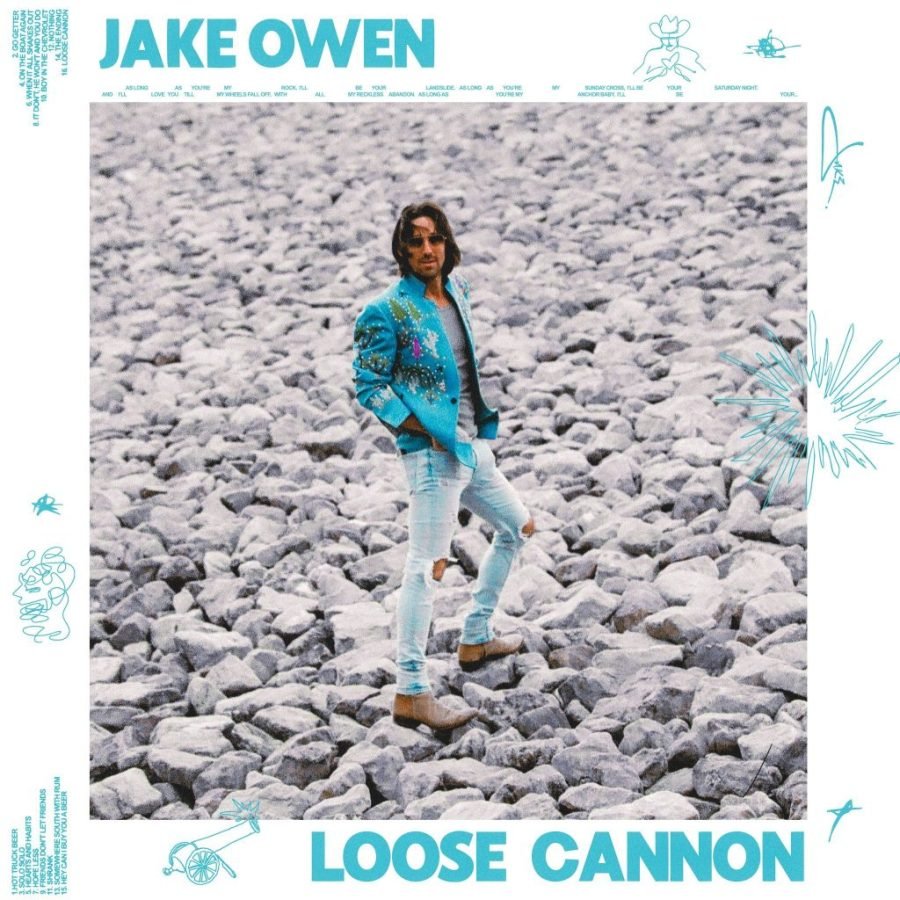
Jake Owen, Loose Cannon
You know, even with his newest album coming four years since his last one and it being oddly stymied by some weird single choices ahead of time that didn’t even make the final cut, I still think I can summarize Jake Owen’s projects in a simple manner: They’re breezy, lightweight efforts built for the spring and summer seasons that live and die by his good-natured charisma and, well, little else. They also tend to be better than expected but let down by poor single choices.
Given, too, that this album was led off with “On the Boat Again,” a track that mirrors the melody of Willie Nelson’s “On the Road Again” for a mindless, lightweight drinking song … well, yep, looks like we’re back in similar territory once more. I’ve seen comparisons made to Cole Swindell’s “She Had Me At Heads Carolina” in that regard, but at least that song featured an original storytelling premise and a sense of self-awareness in quoting its source material. This, on the other hand, is just dumb and clunky, especially with the oddly overdone vocal production that doesn’t even give this the intended lightweight, relaxing groove. Thankfully, it’s probably the worst cut here, because while the usual negatives do still persist in some spots – questionable production choices in some of the guitar tones that undercut the grooves (“Solo Solo”) and an oddly oily, watery feeling to the production, particularly the vocals, as a whole – this is, much like Owen’s 2019 album, another fairly organic effort in presentation and sound that manages to be quite a bit of fun at its best.
Again, a big factor comes down to Owen’s expressive charisma and his relaxed mellowness, which fits the loose, upbeat party record vibe better than pretty much any of his mainstream contemporaries in this lane. But this is also a fairly more downbeat album as a whole compared to past projects, and on moments like that, Owen has also typically excelled, thanks to a sense of wistful hopefulness and maturity that comes with age and understanding what that sort of loose lifestyle can do to the people around you. “Somewhere South With Rum” is the big highlight in that regard, a tempered cut anchored in its delicate acoustics and pedal steel where time has put enough distance between him and an old partner for him to wish her the best in life, because he’s found some semblance of peace, too. And “It Don’t, He Won’t, You Do,” doesn’t follow too far behind, a great song punctuated by its sense of dynamics in its slight waltz cadence and open spaciousness for a heartache-centered with a clever premise for the hook.
Granted, it’s hard to praise the writing too much when Owen doesn’t have a single writing credit here. But it all fits comfortably within his wheelhouse, and outside of the aforementioned “On the Boat Again” and the braying, obnoxious “Shrank,” I can’t say there are any outright missteps (although, “On the Boat Again” may not even feature the weirdest sample here, but I won’t spoil that). “Hearts & Habits” doesn’t really have the compositional body to justify its intended heaviness, and “Boy in the Chevrolet” is a pretty generic slice-of-life story, but at least Owen can elevate them reasonably well. Really, for as long as it runs and for as much as there is noticeable fat within the tracklist, this is a surprisingly consistently enjoyable listen.
Again, too, considering the melodies are always at the forefront and the production mostly carries a lot of warmth to it in its guitar grooves and supple amounts of pedal steel, this is a good-natured album that’s easy to like. Heck, I was prepared to write off “When It All Shakes Out” as a broadly written song that coasts on “live your life to the fullest” platitudes through the writing, but through the crescendo echoed via the pounding drums on the hook and the general anthemic nature of it as a whole, there’s enough urgency there to back it up exceedingly well. And while “Hope Less” can feel a bit clumsy in some of its murkier textures and even in the writing through the actual hook, it’s a pretty convincing look at the road-weary musician who’s too indebted to that lifestyle to make a relationship work. And it ends well with two tempered love songs that play into that loose nature well enough - a “take it as I am” mentality delivered in a jovial way. Overall, I’d still say it’s more good than great as a whole – mostly due to some questionable production and the high points not quite feeling like the homerun standouts of “L.A.X.” or “Ghost Town” from before - which is frustrating at this point, given that I do think Owen is capable of reaching those heights. But I still had quite a bit of fun with this – don’t let that lead single fool you.
- Favorite tracks: “Somewhere South With Rum,” “Loose Cannon,” “It Don’t, He Won’t, You Do,” “When It All Shakes Out,” “Hope Less,” “Friends Don’t Let Friends,” “Hey Can I Buy You A Beer”
- Least favorite tracks: “On the Boat Again,” “Shrank”
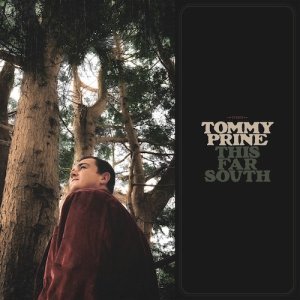
Tommy Prine, This Far South
I’m tempted to say I had pre-conceived expectations over what Tommy Prine’s debut album would sound like, given that he is, after all, the son of John Prine. But, in a way, I didn’t. Last year’s standalone release in “Ships in the Harbor” may have been outright dedicated to his father, but there was a decidedly different approach overall, particular the warmer production in the guitar texture and the song’s somber restraint meant to highlight Tommy’s surprisingly smoother, fuller tone. Not a note of comparison, mind you – just a way of noting the differences right away in overall style and presentation.
Of course, for those who didn’t hear that excellent song but somehow hear this album anyway, I think those expectations will come into play right away, for better or worse. After all, This Far South really isn’t a restrained, singer-songwriter-focused project (to be fair, neither is John’s work really, outside of that landmark self-titled debut). With Ruston Kelly to assist in the writing and production, this is an angsty rock and folk-leaning project with touches of Kelly’s own dirt-emo appeal. Of course, in setting up another comparison point, I do want to highlight that this is Prine’s own story to tell and present, informed by several elements. “Ships in the Harbor” didn’t carry over to this project, but there is “By the Way,” and it’s just as devastating off its own muted touches of pedal steel and piano. More direct, too, given that it cuts right to the bone of Prine’s own regret over wasted time and missed opportunities to spend more time with his father, as well as his own recklessness in trying to grow up too fast.
In a way, it makes me think he wouldn’t mind the comparison points anyway, because it really is a love for family that informs this album’s dramatic stakes at large. It’s heavy, and I’m not sure Prine really has the body to his vocal delivery necessary to handle the flow of more overtly upbeat rockers in “Mirror and a Kitchen Sink” and “Reach the Sun” that well. But “Elohim” is a different story, a song that blazes through with impressive precision and punch in setting the stage for the rest of the album, marked not only by the loss of Prine’s father as well as other friends to addiction, but also by Prine’s own failings in knowing how to cope or find the right direction in life, leading to a complete disillusionment of faith in general.
Even then, this is an album about finding a solution – how to learn to cope with loss and use it as a reason to move forward, even if it all comes crashing down at a weird point in life during someone’s 20s when that’s a hard enough journey to sift through - even in the best of circumstances. I would, however, say it’s an album marked by impressive highlights more than a consistent flow. I already talked about “Elohim” and “By the Way,” and “Boyhood” and “Some Things” join those ranks as well, the former a track that touches on a loss of innocence and friendships we often let go later in life but remember fondly regardless. The latter, then, is more about the present day and how to find comfort in a partner – really, just in someone in general – who can act as a rock (and vice-versa) to mend those traumas and help one start to those happy memories as they are once more.
I’d also say it’s an album that can feel oddly meditative, in a sense, which makes some songs stand as deeply personal reflections in their poetic construction. The title track is an example of that strategy used for the better, a journey through Prine’s own mental and physical struggles that acts as a needed extension from “Elohim” to other tracks. But both “Letter to My Brother” and “Cash Carter Hill” feel like reflections that are both a bit too esoteric and brief, even if I do quite like the jangly, pub sing-a-long feel of the latter. Truthfully, too, the production can be a bit spotty and overdone at points, like the oddly twinkly texture of “Crashing Again” that fits the content well with its ebb-and-flow motion, but also feels a bit jerky, too. But there are some exceptional highlights here once more that are Prine’s and Prine’s alone, so while it’s more solid as a whole for me than outright great, I definitely think it’s worth the attention.
- Favorite tracks: “Elohim,” “By the Way,” “Boyhood,” “Some Things,” “This Far South”
- Least favorite track: “Crashing Again”


 The Musical Divide